Arctic Biology Research

Environmental and climatic change questions
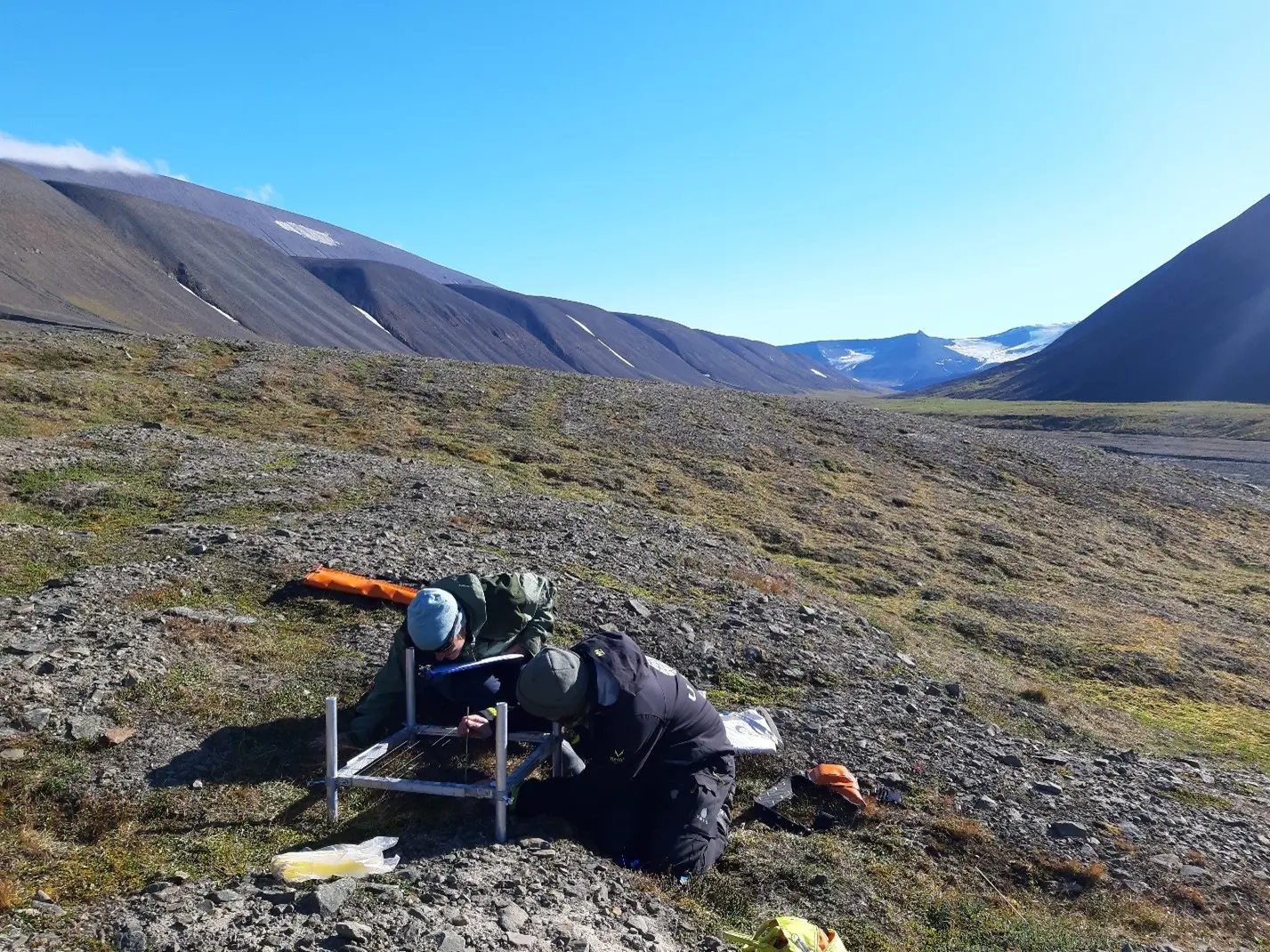
The Arctic Biology Department at UNIS is the only European High Arctic situated biology department realizing undergraduate education, graduate research experience and Arctic research on a regular basis.
Related
The biological research at UNIS covers three interacting main topics
Climate change biology
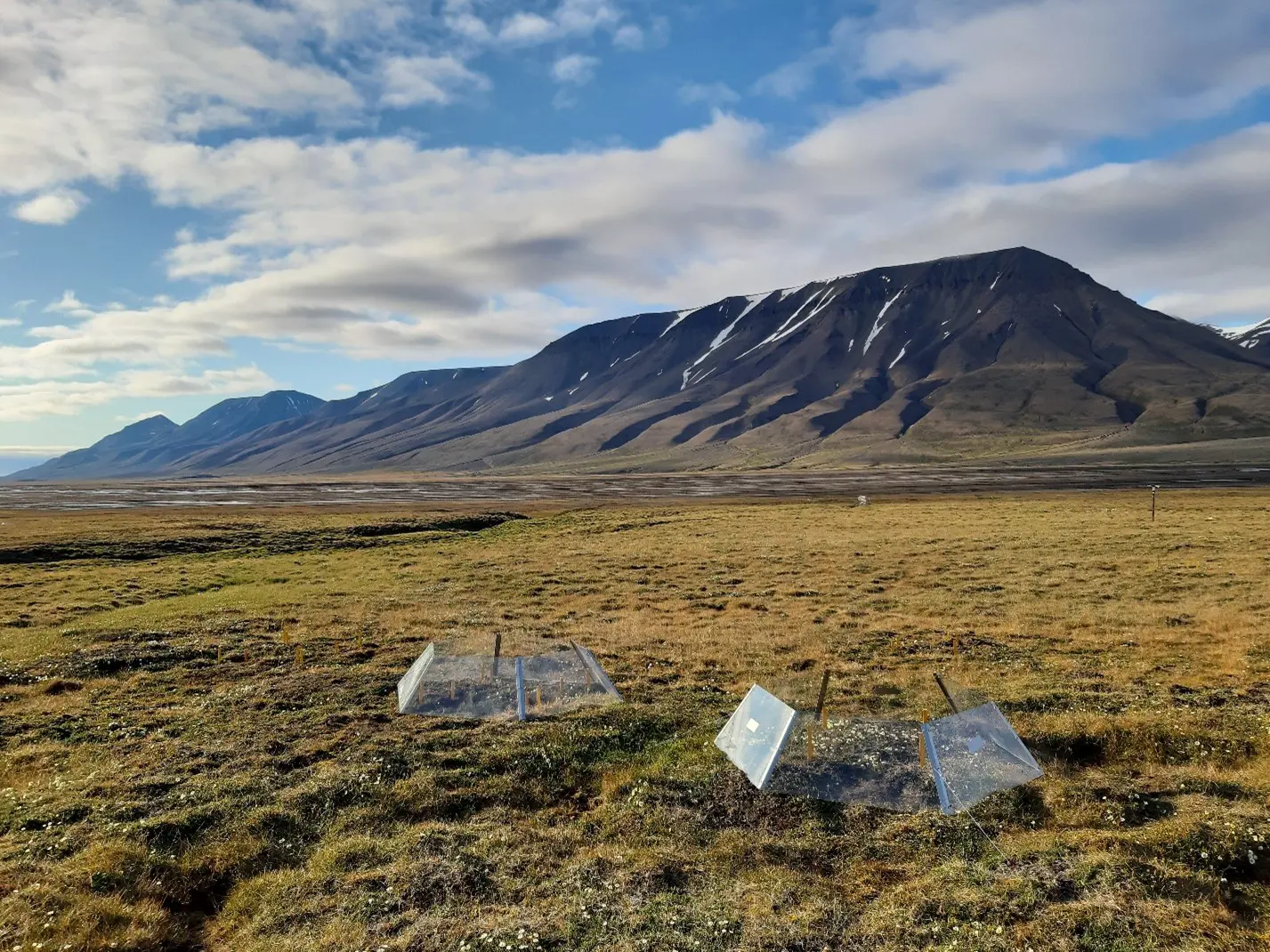
Climate change in the Arctic is rapid, especially so in the Svalbard region. Global warming and Atlantification leads to reduced sea ice cover in the sea while on land the timing of the melt and distribution, form and quantity of snow-cover is altered.
Capitalizing on the unique locality of UNIS, we aim to closely monitor these rapid changes and study how they impact the structure and function of Arctic ecosystems. This theme is intimately linked to understanding seasonality and inter-annual variability as well as the processes shaping Arctic ecosystems of today and tomorrow. This theme also provides an arena for cross-disciplinary excellence in collaboration with other UNIS departments.
Seasonal ecology
The Arctic is characterized by extreme annual variations in light and temperature; from complete darkness and sub-zero temperatures in winter to 24 hours of sunlight and above zero temperatures in summer.
Arctic organisms inhabiting these extremely dynamic environments have evolved life history strategies that optimize timing of resource acquisition and trade-offs between growth, survival and reproduction.
Seasonality and biological rhythms govern the timing of biological events (phenology), and timing adaptations are in turn tied to life history and population dynamics. In particular we aim to exploit our permanent presence in the High Arctic to understand the poorly studied Arctic winter. This theme integrates ecology and evolution/ adaptations and examines the interactions within, and between, species and their environment.
Biodiversity
This theme revolves around species and community diversity and includes consumer-resource interactions. Research questions include how communities vary in time, optimal utilization of resources, effects of species-environment interactions on population sizes and change, and the role of biodiversity in ecosystem functioning and resilience.
The underlying processes behind these patterns are considered in relation to the characteristics of Arctic environments and the role of biodiversity in these processes.