
Government allocates extra funding to strengthen UNIS amid rising costs
The Norwegian government’s revised national budget, announced earlier today, proposes an additional NOK 10 million in funding for the University Centre in Svalbard (UNIS) to help meet rising operational costs.

In a comment to Khrono, Norway’s Minister for Research and Higher Education, Sigrun Aasland, says that research and education are vital to maintaining Norwegian activity and presence in Svalbard. She also highlighted the important role played by UNIS in both knowledge development and the Longyearbyen community, particularly at a time of rising operating costs.
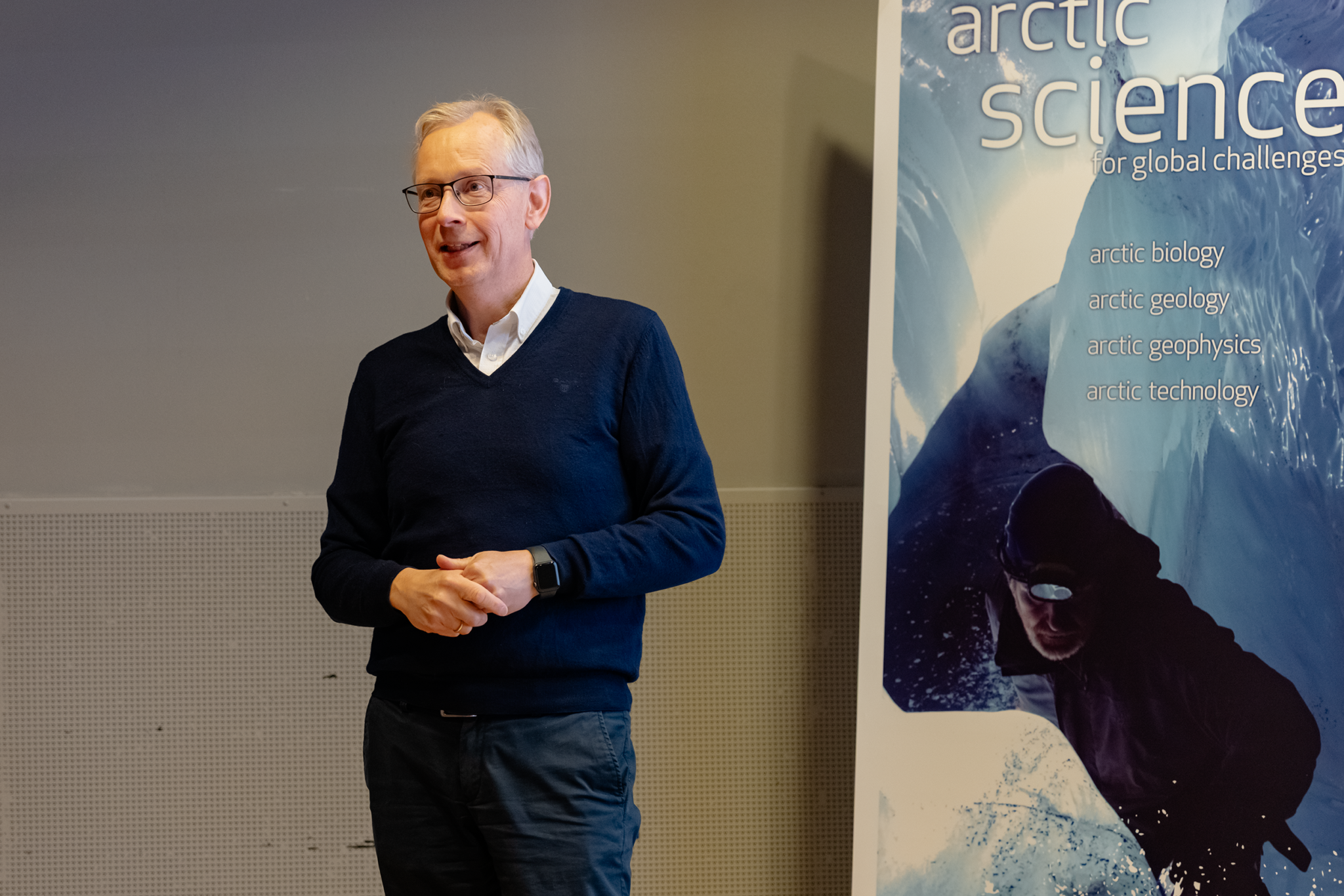
This increase comes at a crucial time for UNIS, which is facing extraordinary cost growth and heightened financial vulnerability. “At the same time, it sends a clear signal that the Government takes both Svalbard and Arctic research seriously,” says the Director of UNIS.
The extra NOK 10 million grant will enable UNIS to address major increases in rent, energy, and facility operating expenses. “Rising costs over time have forced us to leave positions vacant and reduce our course offerings,” the Director explains. “With this allocation, we are better positioned to maintain our operations and gradually return to a more normal operating situation. It is a much-needed boost that will help secure our educational and research missions going forward.”
The Director also acknowledges the Minister’s emphasis on UNIS’ vital role in both knowledge development and societal impact on Svalbard. “This is a recognition of the role UNIS plays as a research and higher education institution in the Arctic,” the Director states.
“The need for locally based knowledge development in the Arctic has never been greater,” the Director continues. “Knowledge is essential for sound governance, safety, and societal preparedness on nature’s terms. UNIS plays an important role in this context, both through maintaining a Norwegian presence on Svalbard and by providing research and expertise in natural science with strong societal relevance.”