
Explore the tundra from your phone: a digital journey into Arctic biology
Do you want to walk through the tundra in space and time? Read more about the biology and exciting natural environment of Svalbard? With "Learning Arctic Biology" we offer a unique and easy way to explore the landscapes and life of Svalbard.
Written by: Steve J. Coulson (UNIS), Simone I. Lang (UNIS), Pernille B. Eidesen (UiO), Jonathan Soule (UiB), Tina Dahl (UNIS) and Simen Hjelle
Arctic ecosystems are rich, dynamic, and closely connected to the global environment.
For anyone curious to learn more about the Svalbard environment and fascinating life, learningarcticbiology.info offers a welcoming entrance into this remarkable world.
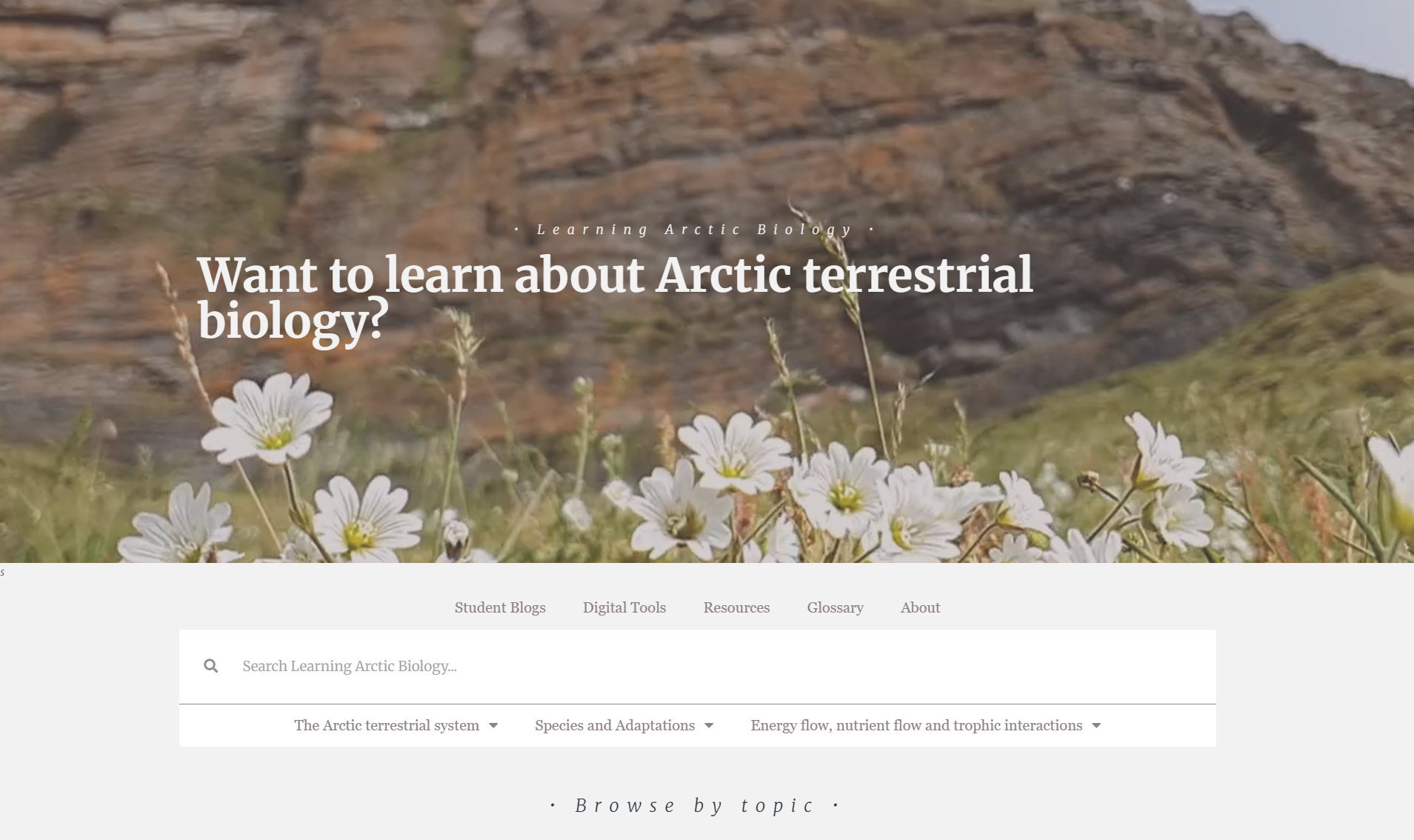
Designed for locals, visitors, students, and generally curious readers alike, Learning Arctic Biology brings together clear explanations and Svalbard examples focused on life in the archipelago. The website introduces the flora and fauna of the Svalbard environment, presenting the diversity and how Arctic organisms survive the extreme cold, the long winters, short summers, and dramatic seasonal changes in light.
The site consists of two elements, the ‘Virtual Field Guides’, where you can walk through Svalbard, and the main information site, ‘Learning Arctic Biology’ with text, images and video. Both are responsive and adjust to device screen format so can be explored on either mobile phone or computer.
All thanks to funding from UNIS, bioCEED, FieldPass and Svalbard Environmental Fund.
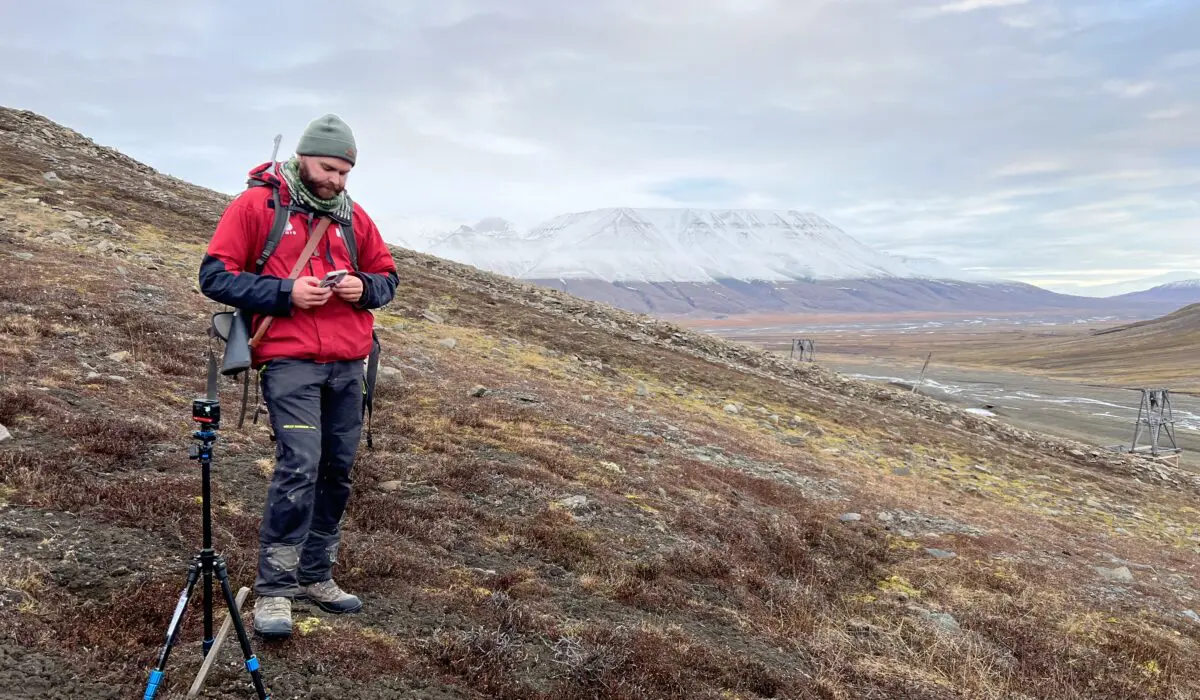
Virtual Field Guides
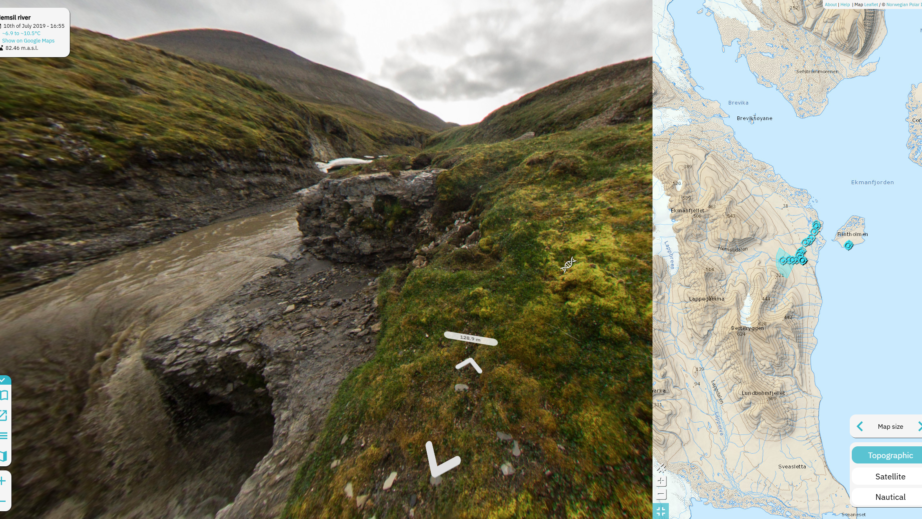
The mobile phone tailored Virtual Field Guides provide an experience similar to Google Street View. Here you can ‘walk’ through locations and explore the site from 360 degrees.
Icons in the images can be opened to read more about particular points of interest, for example, a species, an environmental characteristic relevant or factoid. Did you know for example that the Arctic skua (tyvjo) can create discrete bright green mounds that stand out? Why might this be? Or where to find Boreal Jacobs-ladder (polarflokk) with its large blue flowers?
And that the island of Flintholmen has lichen-fields visible from space? Or even that cushion plants like Silene acaulis (Fjellsmelle) create their own soil? The cushion-shape acts as a miniature greenhouse that trap heat, block wind, and retain moisture. Furthermore, dead plant parts are kept in place under the dome and not blown away. The greenhouse-environment favours microbial and insect activity and the dead plant matter is turned into soil.
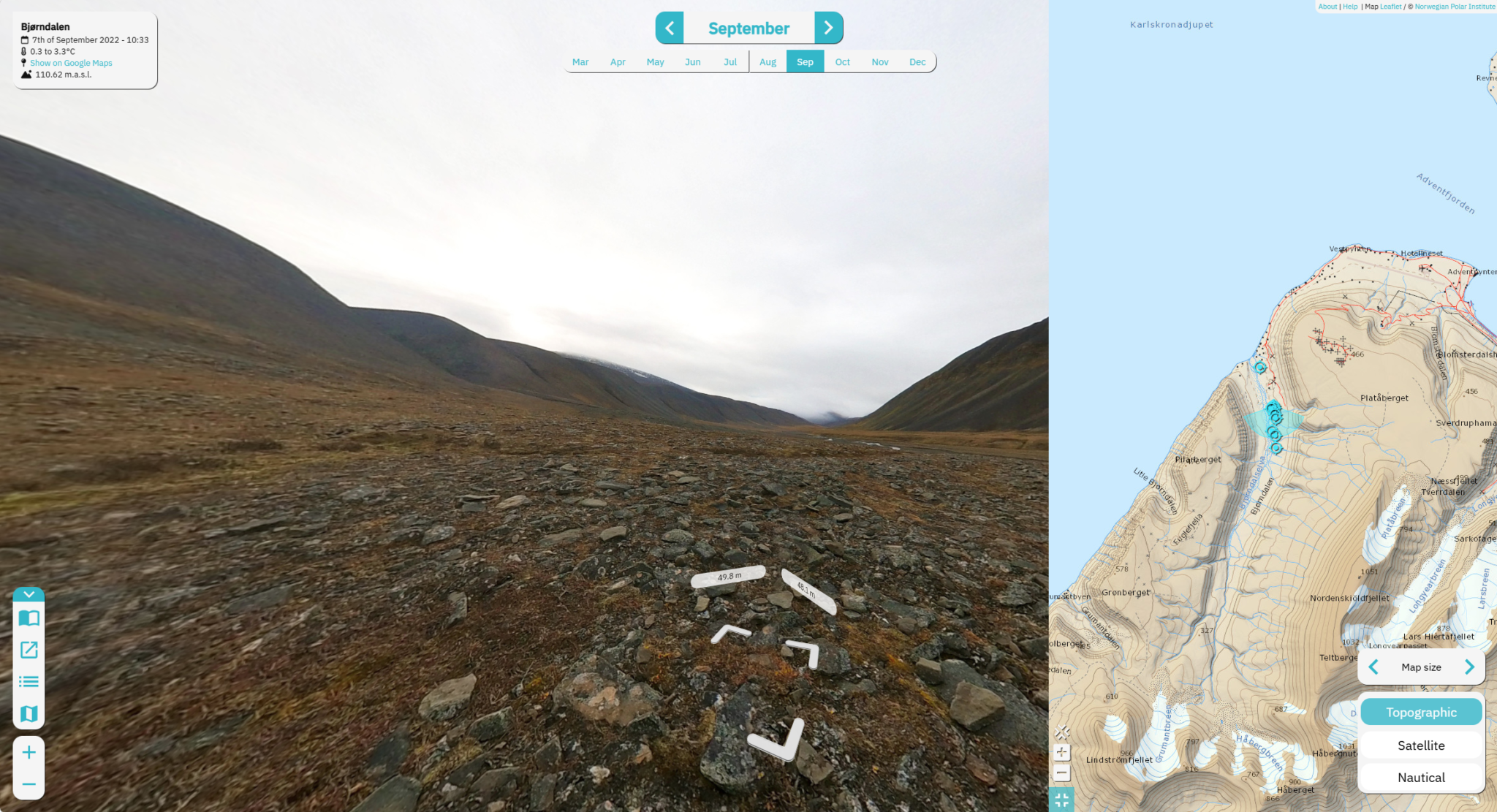
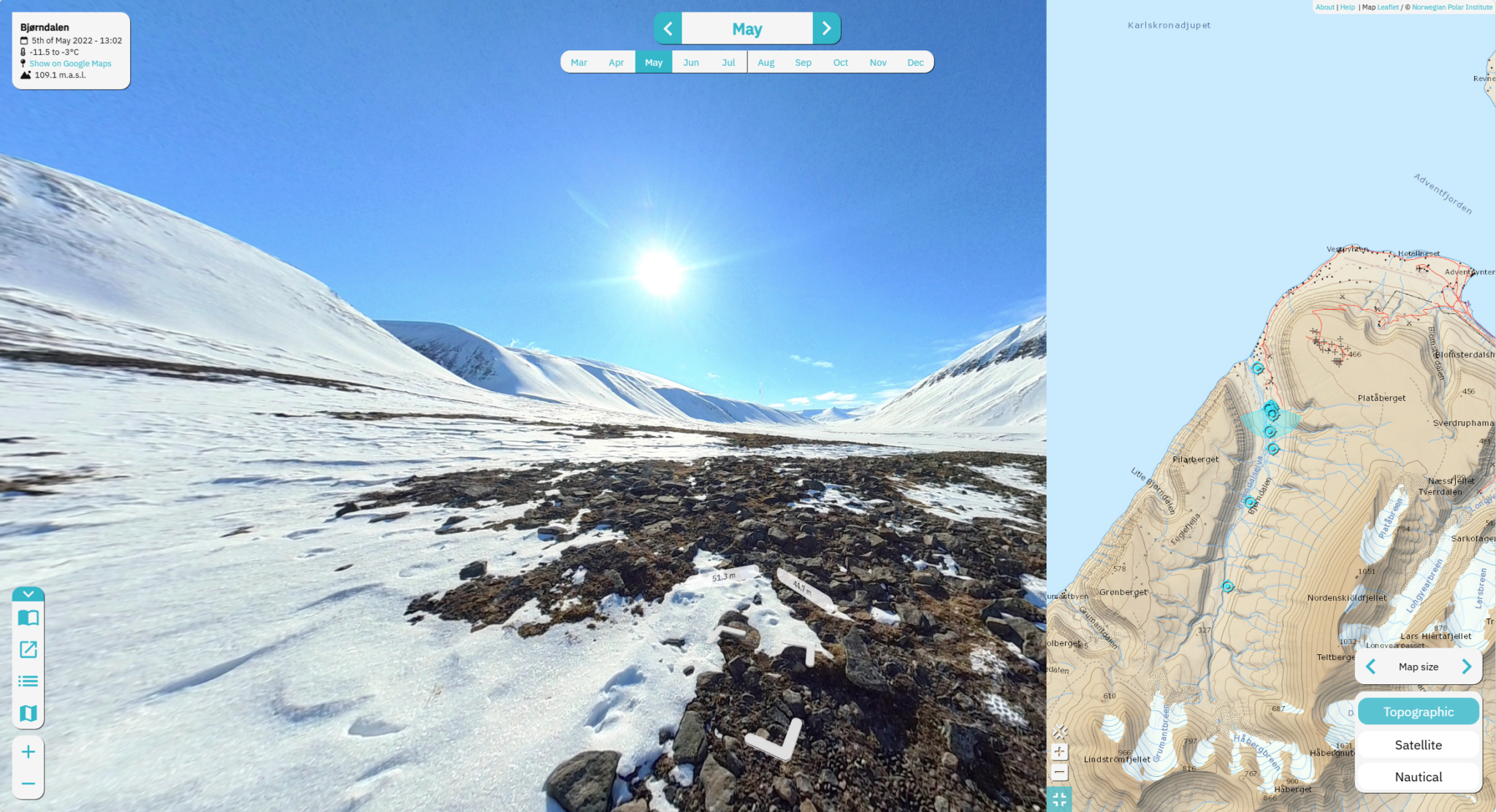
For some locations, 360 images have been captured each month enabling you to follow the progression of the seasons, from when the light returns to when the polar night starts. See how, as the snow clears with the return of the light, the plants start to turn green before the beautiful autumn colours appear as the short Arctic summer draws to an end.
Learning Arctic Biology
In addition to walking though Svalbard, you can read about the biology and environment. On this site you find information, images and video, about plants, reindeer, insects and much more.
Browse through the stories of the diverse, unique and fascinating, animal and plant life of Svalbard. What is it that makes Svalbard so special? That there are over 200 species of insect known from Svalbard, many unique to Svalbard.
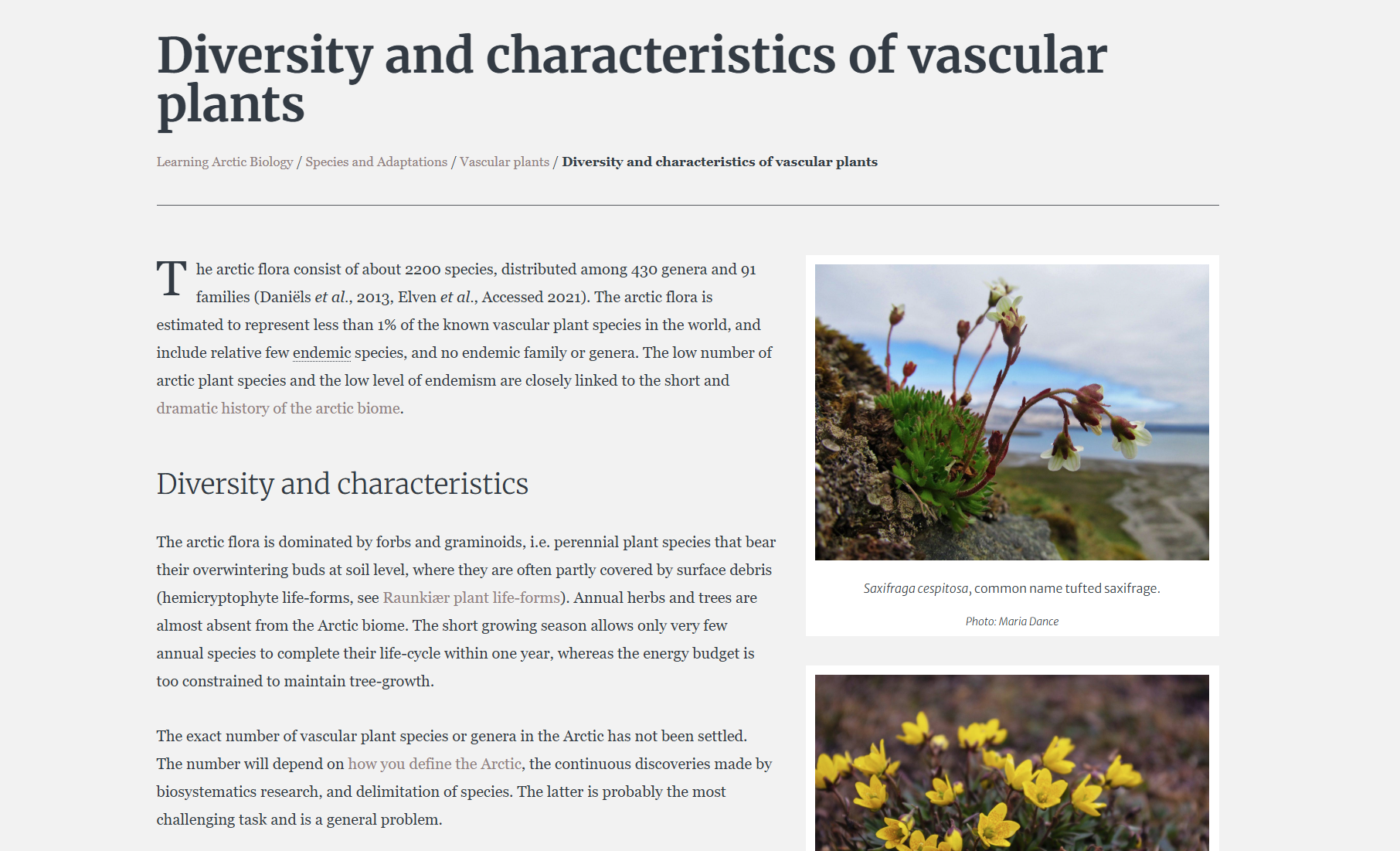
Read about the moth that had been missing for 142 years, or animals that can survive being frozen, properly frozen with ice inside the body, and much more. Or how the classic ridge and snow bed landscape in Adventdalen, and elsewhere throughout Svalbard, determines vegetation and where reindeer and ptarmigan (rype) feed as well as why is it so green beneath cliffs where some sea birds are breeding?
In a time when we all see that the Arctic is changing rapidly, an interest and understanding of the ecosystems here has never been more important. Learning Arctic Biology gives you a unique and easy way to explore the landscapes and life of Svalbard; whether you are “walking” the tundra from your phone or diving into the stories behind its diversity.