
Press Release: Energy Research Seminar in Longyearbyen in September
September 4, an open seminar will be held in Longyearbyen as part of the ZEESA research project. Local, national, and international experts will gather to discuss how future zero-emission energy systems can be adapted to the Arctic. The seminar will address both technical solutions and how the transition to renewable energy can be achieved in a socially just way. All interested parties are welcome!
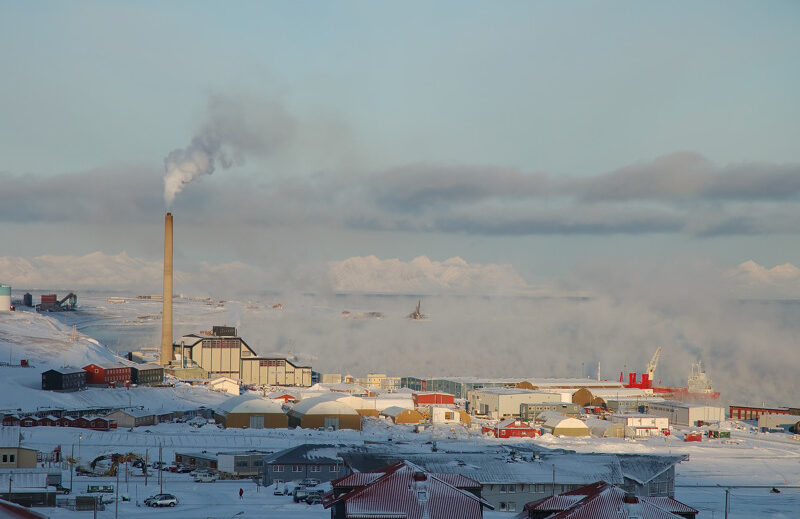
4 September, an open seminar will be held in Longyearbyen to gather local, national, and international experts to discuss future zero-emission energy solutions for the region. The event is part of the ZEESA (Zero Emission Energy Systems for the Arctic) research project, which the Research Council of Norway, Store Norske Energi and Statkraft funds. The project aims to adapt sustainable energy solutions for the Arctic. The event will take place on September 4th, 2025.
The transition from coal power to new energy solutions has sparked local debate, with many concerned about increased costs, energy supply, and the impact on local jobs. The ZEESA project aims to incorporate the interests of the local community and contribute to a smooth transition. This includes creating new opportunities for the community, understanding the expectations of residents and the workforce regarding the transition, ensuring fairness for both society and nature and meeting future needs.
ZEESA aims to incorporate input from residents throughout the process and has developed an interdisciplinary approach to the project. For the transition to be successful, local communities, workplaces, and authorities must collaborate to create solutions that balance environmental goals with the economic and social needs of Longyearbyen. By involving all relevant stakeholders in the decision-making process, we aim to develop sustainable and equitable solutions that support both the green transition and the ongoing growth and well-being of the local community.
Energy systems in the Arctic have so far mainly been powered by fossil fuels, operating in remote locations (often off the grid) and under harsh climatic conditions. Potential failures or deficiencies could have significant consequences for life and health. However, there is now increased interest in implementing renewable energy technologies in the Arctic. A specific example is the decision to shut down the coal power plant in Longyearbyen in 2023 and gradually increase the share of renewable energy in the energy mix.
This seminar presents a valuable opportunity to gain knowledge on how the energy transition in Longyearbyen can be implemented in a sustainable and economically feasible manner. The event’s program will draw on the expertise of local stakeholders, as well as national and international partners. Experiences from other Arctic communities will be shared, which can contribute to the development of a robust and sustainable renewable energy system that supports both green growth and local value creation.
The seminar is open to researchers, professionals, community representatives, and the general public. Participation offers a unique insight to the future of energy solutions in the Arctic.
Program:
15:00 Welcome, Introduction to the ZEESA project
15:15 Next steps in the energy transition in Longyearbyen, Store Norske
15:30 Renewable energy potential in Svalbard, UNIS
15:50 PV park on Platåfjellet, challenges and opportunities, Ole Kokvik, KSAT (To be confirmed)
16:05 Break, serving sandwiches etc.
16:30 Experience in operation of wind turbines in Greenland, Niels Erik Hagelqvist, Nukissiorfiit, Greenland
16:50 Bridging technical, social and environmental aspects of the clean energy transition in Nunavut, Canada, Jess Puddister, Nunavut Nukkiksautiit Corporation
17:10 Local Acceptance of renewable energy technologies in Longyearbyen, CICERO
17:30 Pannel discussion on social effects impacts of the energy transition.
18:00 End of seminar
About the ZEESA Project:
ZEESA (Zero Emission Energy Systems for the Arctic) is a research project co-funded by the Research Council of Norway, Store Norske Energi and Statkraft, aiming to build knowledge on how to adapt zero-emission energy systems for the Arctic. The project assess potential for wind and solar energy in Svalbard and explore technical solutions to ensure a robust renewable energy supply. A key aspect of the project is to understand how social acceptance for the implementation of renewable energy solutions can be achieved in local communities. Project participants are SINTEF, UNIS, CICERO, Store Norske Energi, Statkraft, Svalbard Energi and Longyearbyen Lokalstyre.