Hg2Char: Mercury dynamics in Svalbard lakes: methylation, bioaccumulation, and biomagnification
The project will generate knowledge that is directly relevant for environmental protection and management on Svalbard by improving understanding of the processes controlling mercury (Hg) transformation, bioaccumulation, and biomagnification in freshwater ecosystems.
active
Project Info
Timeframe:
2026-2028
Project lead
Fiona Hughes, The University Centre in Svalbard (UNIS)
In collaboration with The Norwegian University of Science and Technology
Funding:
Svalbards Miljøvernfond
Summary:
Mercury (Hg) remains a concerning global contaminant that poses a significant threat to Arctic freshwater ecosystems due to its long-range atmospheric transport, ability to transform into its toxic methylmercury (MeHg) form, and subsequent bioaccumulation and biomagnification in aquatic food webs. Even remote environments such as Svalbard’s freshwater lakes are affected.
Hg has been well documented in Svalbard’s atmosphere, snow, ice, soil, and aquatic environments. However, a critical knowledge gap remains in disentangling multiple Hg sources and in understanding the decoupling between Hg inputs and Hg transformation processes that ultimately lead to MeHg accumulation in freshwater ecosystems. MeHg is highly neurotoxic and can cause adverse health effects in wildlife and humans, particularly through consumption of contaminated fish.
In lake ecosystems, Hg is primarily transformed into MeHg through microbial methylation in anoxic lake sediments. The environmental factors controlling microbial activity and methylation rates remain poorly understood in Arctic freshwater systems.
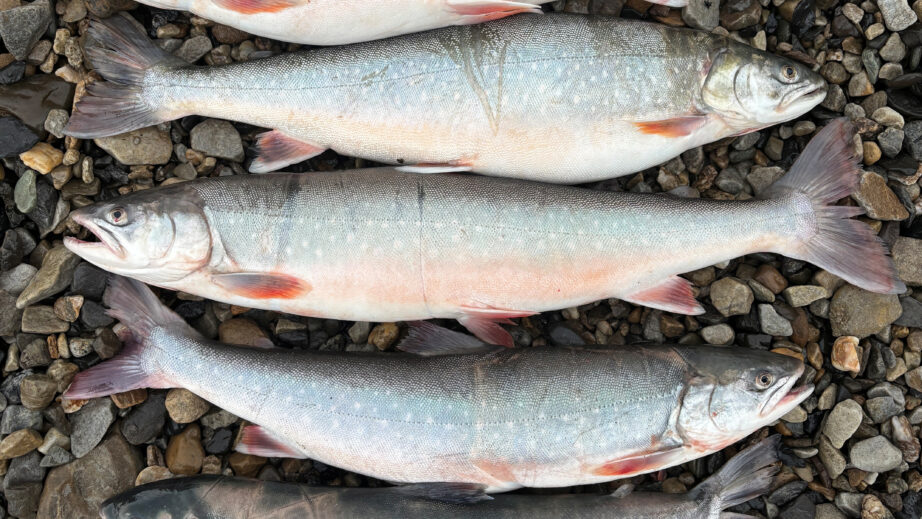
While Hg concentrations in Arctic char (Salvelinus alpinus) muscle tissue in Canada and Sweden have declined, a population in the Norwegian high Arctic (Bjørnøya, Bear Island) has shown a consistent annual increase of 5.3% in average Hg levels. Therefore, this project aims to disentangle the biogeochemical drivers of Hg cycling in Svalbard’s freshwater lakes by identifying the environmental factors that regulate key steps in Hg bioaccumulation in fish, including microbial methylation in sediments and MeHg transfer through the aquatic food web in a rapidly warming Arctic.
The overall objective of this project is to disentangle the biogeochemical drivers of Hg cycling in Svalbard’s freshwater lakes by linking sediment-level microbial methylation processes to climate-driven environmental changes in Hg accumulation in aquatic biota. Specifically, the project aims to:
- Identify the key environmental factors controlling microbial methylation and demethylation of Hg in lake sediments across climate-driven and biogeochemical gradients on Svalbard.
- Assess Hg bioaccumulation and biomagnification through freshwater food webs using carbon and nitrogen stable isotopes.
The results will contribute to a broader understanding of contaminant dynamics in Arctic freshwater ecosystems under a rapidly changing climate and provide knowledge that is directly relevant to environmental management on Svalbard, including risk assessment of Hg exposure in fish populations.