
ARCHAIC
The overall objective of the project is to generate new knowledge about current and future climate adaptation and handling of natural hazard events in remote settlements in the Arctic fostering sustainability and resilience.
active
Secondary research objectives are to develop new knowledge and solutions related to:
1) the climate risk picture and community resilience.
2) early warning systems.
3) relocation from high-risk areas.
4) emergency preparedness and crisis management.
5) transfer of climate adaptation experience from the Arctic.
ARCHAIC is funded by NordForsk under the call Sustainable Development of the Arctic. Project period is June 2025 till June 2028.
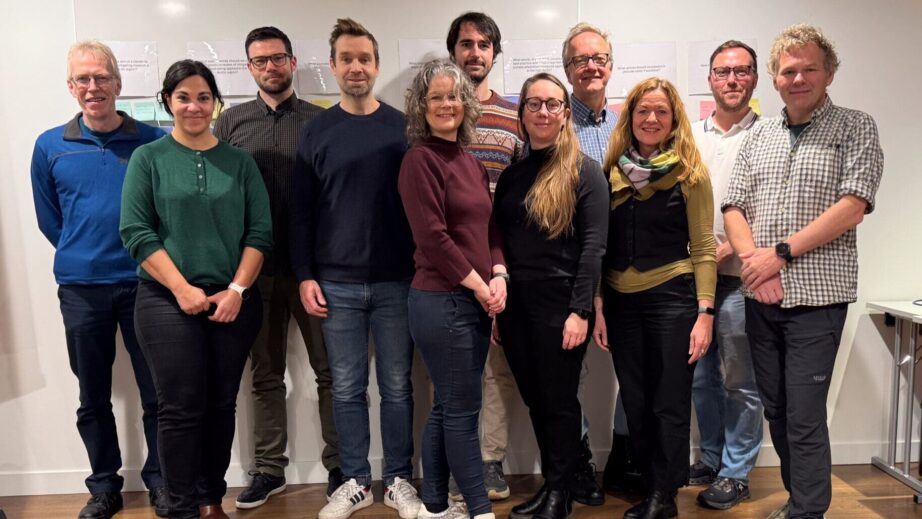
The project is carried out by a consortium of 8 partners from Norway, Denmark and Iceland:
- Norwegian University of Science and Technology (project owner and managment)
- Copenhagen Business School
- NTNU Samfunnsforskning AS
- SINTEF Digital
- University Centre in Svalbard
- University Centre of the Westfjords
- University of Inland Norway
- University of Stavanger
Four use cases in three contexts will be studied in close collaboration with local stakeholders: Longyearbyen (Svalbard, Norway); Tassilaq (Greenland, Denmark); and Seyðisfjörður and Neskaupstaður (Iceland).


Work package 1: Climate risk picture and community resilience
- What is the climate risk picture for settlements in the High Arctic?
- What is the status regarding community climate risk knowledge and competence in the High Arctic?
- What climate adaptation solutions and challenges currently exist for High Arctic settlements?
Work package 2: Natural hazard warning systems
- How can location-specific natural hazard warnings best be used as a climate adaptation measure?
- How can the local and indigenous knowledge be used for planning and operation of early warning systems?
- How can citizen science and emerging sensor technology be utilized as data input to early warning systems?
Work package 3: Relocation
- How should a risk-based and participatory approach, including Indigenous groups, be performed to handle relocations?
- What can be learnt from previous and ongoing processes of relocation in the larger Arctic region?
- How to consider “Build Back Better” as an alternative to relocation, in the light of sustainable community development?
Work package 4: Emergency preparedness and crisis management
- What are the status and main challenges to emergency preparedness and crisis management in the High Arctic?
- How should effective collaboration in handling natural hazard events in remote locations in the High Arctic be assured?
- How could training and exercises for crisis management in the High Arctic be facilitated?
Work package 5: Transfer of climate adaptation experience from the High Arctic
- How can a well-balanced adoption of various climate adaptation measures in the High Arctic be ensured?
- Which evidence of adaptation measure effectiveness can be extracted from the experience in the High Arctic?
- What experiences from the High Arctic can be transferred to the Low Arctic region and other parts of the world?